
Table of Contents
Introduction
Iron is one of the most essential minerals your body needs every single day. It is a vital mineral your body relies on to transport oxygen, produce energy, and support overall cellular function.
Whether you want to boost energy levels, prevent deficiency, or support pregnancy, eating foods rich in iron is one of the most effective natural solutions.
Iron plays a key role in carrying oxygen through the bloodstream, producing energy, supporting metabolism, and aiding overall growth and development. For pregnant women especially, iron is crucial for a healthy pregnancy and proper fetal growth.
This comprehensive guide covers what iron does, how much you need, symptoms of deficiency, types of iron, the best food sources, powerful tips to increase absorption, and a detailed list of the top 10 foods rich in iron, along with additional sources you can include in your diet.
What Is Iron and Why Does Your Body Need It?
Iron plays a crucial role in:
1. Forming hemoglobin and myoglobin
- Hemoglobin carries oxygen in red blood cells.
- Myoglobin stores oxygen in muscles.
Together, they help you stay energized and active.
2. Supporting muscle health and metabolism
Iron enables your muscles to function efficiently and helps your body produce energy.
3. Ensuring healthy brain and nerve function
Iron is essential for:
- Cognitive development
- Memory
- Learning
- Hormone synthesis
4. Strengthening the immune system
Low iron weakens your body’s ability to fight infections.
5. Helping in pregnancy and fetal growth
Iron supports:
- Placental development
- Oxygen supply to the fetus
- Reduced risk of premature birth
When your body has enough iron, you feel more energetic, focused, and mentally alert.
Symptoms of Iron Deficiency
Iron deficiency is one of the most common nutrient deficiencies worldwide. Iron deficiency can cause noticeable and sometimes severe symptoms, such as:
- Fatigue and tiredness
- Shortness of breath
- Frequent infections
- Pale skin
- Cold hands and feet
- Dizziness or headaches
- Hair fall and brittle nails
- Poor concentration or brain fog
- Cravings to chew ice (pica)
Severe deficiency can lead to iron-deficiency anemia, requiring medical treatment.
Who Needs More Iron? (High-Risk Groups)
Certain groups are more prone to deficiency:
- Pregnant women
- Women with heavy menstrual cycles
- Infants and young children
- Teenage girls
- Vegetarians and vegans
- People with digestive disorders (IBD, celiac disease)
- Chronic kidney disease patients
- Athletes, especially endurance athletes
- People with chronic blood loss
- Individuals with colon cancer or heart failure
Iron Deficiency in Pregnancy
Pregnant women are highly vulnerable to iron deficiency. Low iron during pregnancy increases the risk of:
- Preterm delivery
- Low birth weight
- Developmental delays
- Higher susceptibility to infections
For this reason, maintaining adequate iron intake is vital for both mother and baby.
Heme vs Non-Heme Iron: What’s the Difference?
Understanding the two types of iron helps you improve absorption.
Heme Iron
- Found in animal foods
- Easily absorbed (15–35%)
- Best sources: meat, poultry, seafood, liver, shellfish
Non-Heme Iron
- Found in plant foods
- Less easily absorbed (2–20%)
- Best sources: seeds, nuts, beans, spinach, fortified foods
Tip: Pair non-heme iron foods with vitamin C to boost absorption.
Recommended Dietary Allowance (RDA) for Iron
| Age / Group | RDA per day |
|---|---|
| 0–6 months | 0.27 mg |
| 7–12 months | 11 mg |
| 1–3 years | 7 mg |
| 4–8 years | 10 mg |
| 9–13 years | 8 mg |
| 14–18 years (male) | 11 mg |
| 14–18 years (female) | 15 mg |
| Pregnant teens | 27 mg |
| Lactating teens | 10 mg |
| Adults 19–50 (male) | 8 mg |
| Adults 19–50 (female) | 18 mg |
| Pregnant adults | 27 mg |
| Lactating adults | 9 mg |
| 51+ years | 8 mg |
Top 10 Iron-Rich Foods
Here are the most iron-packed foods to include in your diet:
1. Cumin Seeds
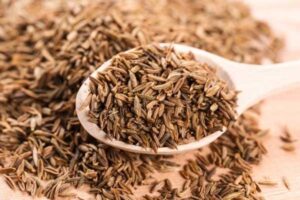
Iron: 66.36 mg per 100 g
Cumin seeds come from the Cuminum cyminum plant and are widely used across Indian cuisine. It acts as an incredibly concentrated plant source of iron. Even small daily servings can significantly improve iron levels.
Whether roasted, fried, or ground into powder, cumin is incredibly rich in iron. Use roasted cumin powder in soups, dals, vegetables, and salads.
2. Unsweetened Baking Chocolate
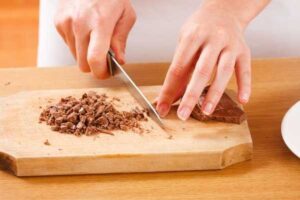
Iron: 17.4 mg per 100 g
Unsweetened baking chocolate is pure chocolate with no added sugar. Pure cocoa is rich in antioxidants, magnesium, and iron. It also has various health benefits, including reducing inflammation, improving blood flow, lowering blood pressure, and improving cholesterol levels.
Add it to smoothies, baking recipes, or homemade energy bites for a nutrient boost.
3. Morel Mushrooms
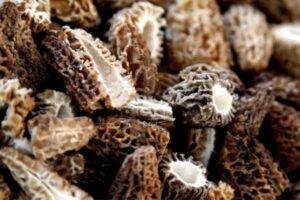
Iron: 12.18 mg per 100 g
Morel mushrooms are prized spring mushrooms known for their rich nutrient profile. They provide exceptional levels of iron along with vitamin D, B-complex vitamins, zinc, manganese, and copper. Their antioxidant profile helps fight inflammation, strengthen immunity and improve overall health.
4. Shellfish (Especially Oysters)
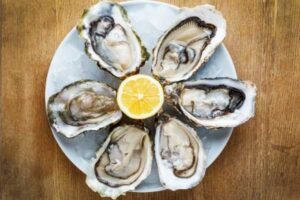
Iron: 9.2 mg per 100 g
Shellfish such as oysters, clams, and mussels are among the best animal-based sources of iron. They contain heme iron, making them easier for the body to absorb. They also provide omega-3s, vitamin B12, zinc, magnesium and high-quality protein. They are amazing for brain and heart health.
5. Liver & Organ Meats
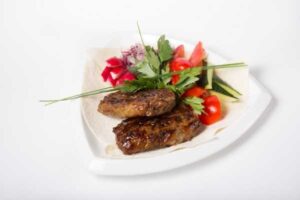
Iron: 10.2 mg per 100 g
Organ meats like liver are packed with nutrients, including iron, copper, phosphorous, magnesium, vitamin A, D, E, K and B12. Hence it is also referred as “nature’s multivitamin”.
Liver is especially beneficial for improving hemoglobin and phosphorus levels naturally. It is also very beneficial for eye health, heart health, the nervous system and promotes healthy immunity.
6. Pumpkin & Squash Seeds

Iron: 8.82 mg per 100 g
Pumpkin seeds deliver plant-based iron along with magnesium, zinc, vitamin K, phosphorus, manganese, copper and healthy fats. They support heart health, prostate health, bone strength, and better metabolic function. They can be easily incorporated into your meals or eaten as a snack.
Sesame and flax seeds are also good iron-rich options.
7. Olives
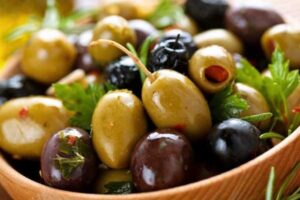
Iron: 6.28 mg per 100 g
Rich in vitamin E, iron, copper, and antioxidants, olives contribute to improved heart and bone health. They make an excellent addition to salads, wraps, and Mediterranean dishes.
8. Cashews
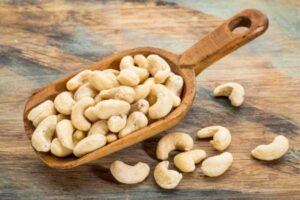
Iron: 6.68 mg per 100 g
Cashews offer healthy fats and plant-based iron, magnesium and copper. Regular consumption helps support energy production, heart health, help lower cholesterol levels, and better metabolism.
9. Edamame (Boiled Soybeans)
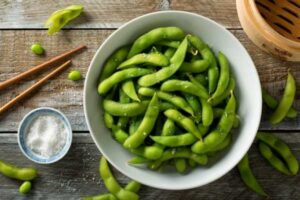
Iron: 5.14 mg per 100 g
Edamame is a great plant-based protein source rich in folate, fibre, protein, vitamins, minerals, and iron. It promotes stable blood sugar levels, supports brain health, and supplies a good amount of iron for vegetarians.
10. Spinach
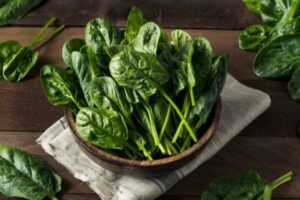
Iron: 3.57 mg per 100 g
Spinach is considered a superfood for good reason. It is a nutrient-dense leafy green, that is rich in iron, magnesium, vitamins A & C, and antioxidants.
It supports digestion, reduces inflammation, helps manage diabetes, and promotes skin, hair, and bone health. Cooked spinach provides more absorbable iron than raw.
Other Iron-Rich Foods You Can Include
To diversify your diet, add:
- Red meat
- Turkey
- Quinoa
- Tofu
- Chickpeas
- Lentils
- Black beans
- Green peas
- Broccoli
- Beetroot
- Peanuts
- Apricots (dried)
- Fortified cereals
These foods can help you easily meet your daily iron needs.
How to Improve Iron Absorption Naturally
Even if you consume enough iron, your body may not absorb it well. Here are ways to maximize uptake:
1. Pair iron foods with vitamin C
Examples:
- Spinach + lemon juice
- Lentils + tomatoes
- Iron-rich meals + oranges, strawberries, kiwi
Vitamin C can significantly boost absorption.
2. Avoid drinking tea or coffee with meals
They contain tannins that block iron absorption. Drink them 1–2 hours before or after meals.
3. Cook in cast iron cookware
This can increase iron content in food, particularly acidic dishes like tomato curry.
4. Include both heme & non-heme iron
Combining animal and plant sources enhances overall iron levels.
5. Avoid excess calcium with iron
Calcium competes with iron for absorption. Keep high-calcium foods away from iron-rich meals.
Risks of Excess Iron (Iron Overload)
While deficiency is common, excess iron can also be harmful. Too much iron may cause:
- Constipation
- Stomach pain
- Nausea
- Organ damage (if extremely high)
- Increased risk of hemachromatosis in predisposed individuals
Always consult a doctor before taking supplements.
Iron-Rich Meal Ideas
Breakfast
- Spinach omelette with whole-grain toast
- Oats cooked with pumpkin seeds and cocoa
- Smoothie with spinach, banana, and fortified plant milk
Lunch
- Quinoa salad with chickpeas, olives, and lemon dressing
- Grilled chicken with sautéed spinach
- Tofu stir-fry with broccoli and sesame seeds
Snack
- Roasted pumpkin seeds
- Cashew trail mix
- Edamame with sea salt
Dinner
- Lentil soup with garlic and cumin
- Grilled fish with sautéed greens
- Lamb liver with herbs and vegetables
Frequently Asked Questions (FAQs)
1. What is the best form of iron the body can absorb?
Heme iron from animal sources is absorbed more efficiently than non-heme iron.
2. Can vegetarians meet their iron needs?
Yes — by including spinach, lentils, tofu, pumpkin seeds, quinoa, and vitamin C-rich foods.
3. Is iron from supplements better than food?
Food is always the safest and most bioavailable source. Supplements are only needed when prescribed.
4. Does cooking reduce iron content?
No — cooking often increases iron availability, especially in leafy greens.
5. Can iron deficiency occur without anemia?
Yes. You can have low iron stores even if your hemoglobin is normal.
Conclusion
Iron is essential for healthy blood, energy, oxygen transport, immunity, brain function, and overall well-being. While deficiency is common—especially among women, pregnant mothers, older adults, and people with chronic conditions—eating iron-rich foods can help maintain optimal levels.
Factors like heavy menstrual bleeding, kidney issues, colon cancer, lactation, and chronic heart failure can also contribute to iron deficiency.
A balanced diet that includes iron-rich foods like cumin seeds, liver, spinach, oysters, pumpkin seeds, and edamame can help you meet your daily needs and prevent deficiency.
Understanding how to improve absorption, identify symptoms early, and choose the right food sources can significantly improve your long-term health.